

Turning your love for animals into a thriving pet sitting business is more achievable than you might think. Whether you're looking for a full-time career change or a flexible side income, pet sitting offers the opportunity to work with animals while being your own boss.
However, before you launch your venture, it’s important to go in with a well-structured plan.
1. Create Your Business Plan and Goals
Before diving in, take time to develop a clear vision for your business. Start by considering a few key questions.
What type of business are you starting?
When looking for pet care, different owners may be looking for very different things. Where do you fit in? Do you want to be a trustworthy neighborhood sitter who offers personalized in-home care? Do you want to run a high-volume boarding facility? Answering these questions is the first step in building your brand.
What kind of clients do you want to attract?
Consider how big of a net you want to cast. Do you have special experience with specific animals or breeds? Some providers choose to market exclusively as a cat sitter, or even open up a breed-specific business, like a hotel for dachshunds.
While specialization narrows your initial client pool, it can make you the go-to choice for owners seeking expertise with their specific pets.
What are your business goals?
What does success in this business look like for you? Do you want to do this full-time or part-time? Set financial goals and figure out what it would take to get there.
2. Consider the Startup Costs
The cost of starting a pet care business can vary widely depending on your location and the services you plan to offer. If you want to offer boarding, for example, you may want to secure basic supplies like extra leashes, bowls, and beds. Similarly, some localities require professional pet sitters to register their business, which comes at an additional cost.
Here are some items you'll want to consider for your initial investment:
- Business registration (LLC or DBA filing)
- Business bank account
- Business license (required in some locations)
- Pet sitting insurance
- Pet first aid certification
- Website and marketing materials
- Professional organization memberships like NAPPS or PSI
- Pet sitting business software
- Basic supplies
One important consideration many new pet sitters overlook is how you'll support yourself while building your client base. Will you keep a full-time or part-time job at the start? Do you have a partner who can support you as you’re getting off the ground? Having this figured out upfront will reduce financial stress as you grow.
3. Figure Out What Services to Offer
Defining your service offerings helps you target the right clients and set appropriate expectations.
Start by considering these questions:
- What services will you provide?
- What types of animals will you care for?
- Are there any pets that are off-limits?
If you plan to offer care in your own home, make sure you’re in compliance with all local laws. A growing number of municipalities have passed legislation requiring permits for in-home boarding, including Ollie’s Law in Massachusetts.

No matter what services you offer or restrictions you impose, be clear about your limitations from the start. Clear communication prevents awkward situations and ensures you're only taking on clients you can serve well.
4. Set Your Pricing
Many pet sitters struggle to price their services, especially at the start. Since prices can vary widely based on geography, it's a good idea to look at what other sitters in your area are charging. You can ask around in your local Facebook groups or browse through pet sitting apps like Rover and Wag! to get a sense of the going rates.
Beware of falling into the trap of offering low prices in order to gain customers. This approach can attract clients who are primarily looking for the lowest rates and position you as a budget option rather than a professional service. If you don't value your skill and time, clients won't either. Starting with competitive prices makes it easier to maintain sustainable rates as your business grows.
Take time to calculate your pricing based on your costs, desired income, and time investment per visit. Don't forget to factor in travel time between clients and the value of your expertise.
5. Outline Your Policies
Clear policies protect both you and your clients. But if you don’t have a long list at first, don’t feel pressured to pad it for the sake of it. You can always update your policies as you learn what works best for your business.
Key policies to establish include:
- Payment methods and timing: What kind of payment methods do you accept? Will you require full payment before the booking, or a 50% upfront deposit?
- Cancellation policy: What’s your required cancellation period? What’s your refund policy based on cancellation?
- Weather policies: How do extreme weather conditions affect bookings? Do you or the client reserve the right to cancel due to weather emergencies?
- Emergency protocols: What happens in the event of an emergency? Do you require a veterinary release form or payment method at the vet?
- Meet and greet requirement: Do you require a meet and greet for new clients? Is there a fee associated?
Having these policies in writing and discussing them during the initial consultation prevents misunderstandings down the road.
6. Get Pet Sitting Insurance
Too often, pet sitters procrastinate getting insurance until they consider pet care their full-time job. But without coverage, even one incident with a client can come at a high cost. That's why it's essential to have sufficient insurance before your first booking.
Pet sitting insurance protects you from liability if something goes wrong during a visit, whether that's a pet injury, property damage, or an accident while a pet is in your care. Starting at around $25 per month, it's a small price to pay for peace of mind and professional credibility. Many clients will specifically ask if you're insured before booking your services.
Popular providers for pet sitting insurance include Pet Sitters Associates (PSA), Pet Care Insurance (PCI). Research different policies to find coverage that matches the services you offer and the level of protection you need.
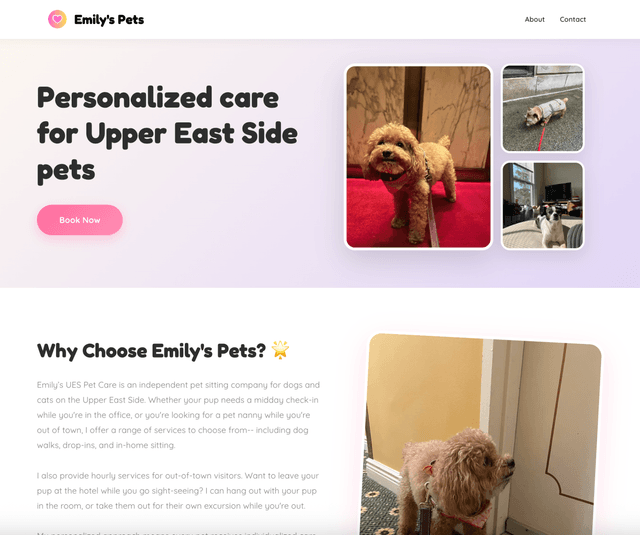
7. Build a Website or Profile Page
When launching a business, it’s important to have a page where potential clients can go to learn about your services, get their questions answered, and reach out for bookings. Creating your own website can also help you tap into organic search traffic to get in front of more pet owners.
You don't even need an expensive custom template or a professional web developer to get started. Many successful pet sitters begin with simple website builders.
Whatever you use, be sure to include essential sections and details like:
- About Your Business
- About the Owner and Team
- Pet Photos
- Services
- Service Area
- Reviews and Testimonials
- Contact and Booking Form
- FAQs
- Policies

8. Start Promoting Your Services
When you're ready to market your pet sitting business, start simple. Posting in online community groups like Nextdoor and Facebook can go a long way. As one Redditor shared, “The Nextdoor app has been the best thing for my business. I made two posts on there and was doing this full time 3 months later."
You can also generate significant business by asking current clients for word-of-mouth referrals. Satisfied clients are often happy to recommend your services to friends and neighbors, but you won’t know until you ask. Consider offering a small referral discount to incentivize recommendations.

Once you've gotten a bit more traction, it may be worth putting some money behind your promotion efforts. Business cards are an inexpensive investment that make it easy for clients to pass along your information. Magnetic cards that stick to refrigerators are particularly effective for keeping your services top-of-mind. You might also consider running targeted local ads on Facebook or Google to reach pet owners in your service area.
9. Continue Building Your Qualifications
Your education doesn't stop once you launch your business. Investing in ongoing training makes you a better pet sitter and gives clients confidence in your abilities.
If you’re interested in getting certified in pet first aid, the Red Cross offers cat and dog first aid training courses online. This certification not only prepares you to handle emergencies but also sets you apart from competitors if you list it on your website and your marketing materials.
You may also consider joining professional organizations like the National Association of Professional Pet Sitters (NAPPS) or Pet Sitters International (PSI). These memberships provide access to resources, networking opportunities, and additional credibility.
Take the First Step in Your Pet Care Journey
The pet sitting industry is still growing, and pet owners are increasingly seeking trustworthy, professional care for their furry family members. By combining your love for animals with a strong business plan, you can build a career that fits your lifestyle while providing an essential service to your community.
Creating a professional brand starts with the right tools. Learn how Pets Friendz can help you build a clean, friendly website in minutes.